
Building a custom home is one of the most exciting investments you’ll ever make. While many homeowners focus on square footage and location when estimating the cost to build a house, it’s often the design decisions that have the greatest impact on the final number. Understanding which choices carry the most financial weight, and locking them in early, is the key to a smooth, on-budget build.
Why Design Decisions Drive the Cost to Build a House
A home’s architectural style, floor plan layout, and finish selections can shift a budget by tens or hundreds of thousands of dollars. Home building costs are not just about materials and labor rates. They also include the design choices made and their timing in relation to the project’s schedule.
A simple rectangular floor plan, for example, costs significantly less to frame and roof than a home with multiple rooflines, angles, and bump-outs. Open floor plans often have structural beams that add both material and labor costs. Even ceiling height changes the amount of drywall, insulation, and paint required throughout the home.
How design choices affect home building costs comes down to a few key factors:
- Structural complexity: Things like unusual shapes, unique design features such as a cantilever, and large open spans that require additional labor can quickly add costs.
- Roof design: Complex roofs with multiple pitches, dormers, or steep slopes are more expensive to build than standard roofs.
- Windows & doors: Each additional window or door adds material cost and installation time.
- Square footage and ceiling height: The more volume you have, the more framing, installation, and finishes are required.
The earlier these decisions are made, the more accurately your builder can price the project.
The Finishes That Move the Budget Most
Structural choices set the floor for your budget, while finish selections determine the ceiling. This is where custom home design ideas become a real financial exercise. Two homes with the exact same floor plan can have wildly different final price tags based solely on what’s inside. This is why it’s difficult to accurately price a house based on preliminary drawings alone. There are too many assumptions with what will go inside that can drastically affect the final cost.
Certain finish choices have a greater impact on a custom home budget.
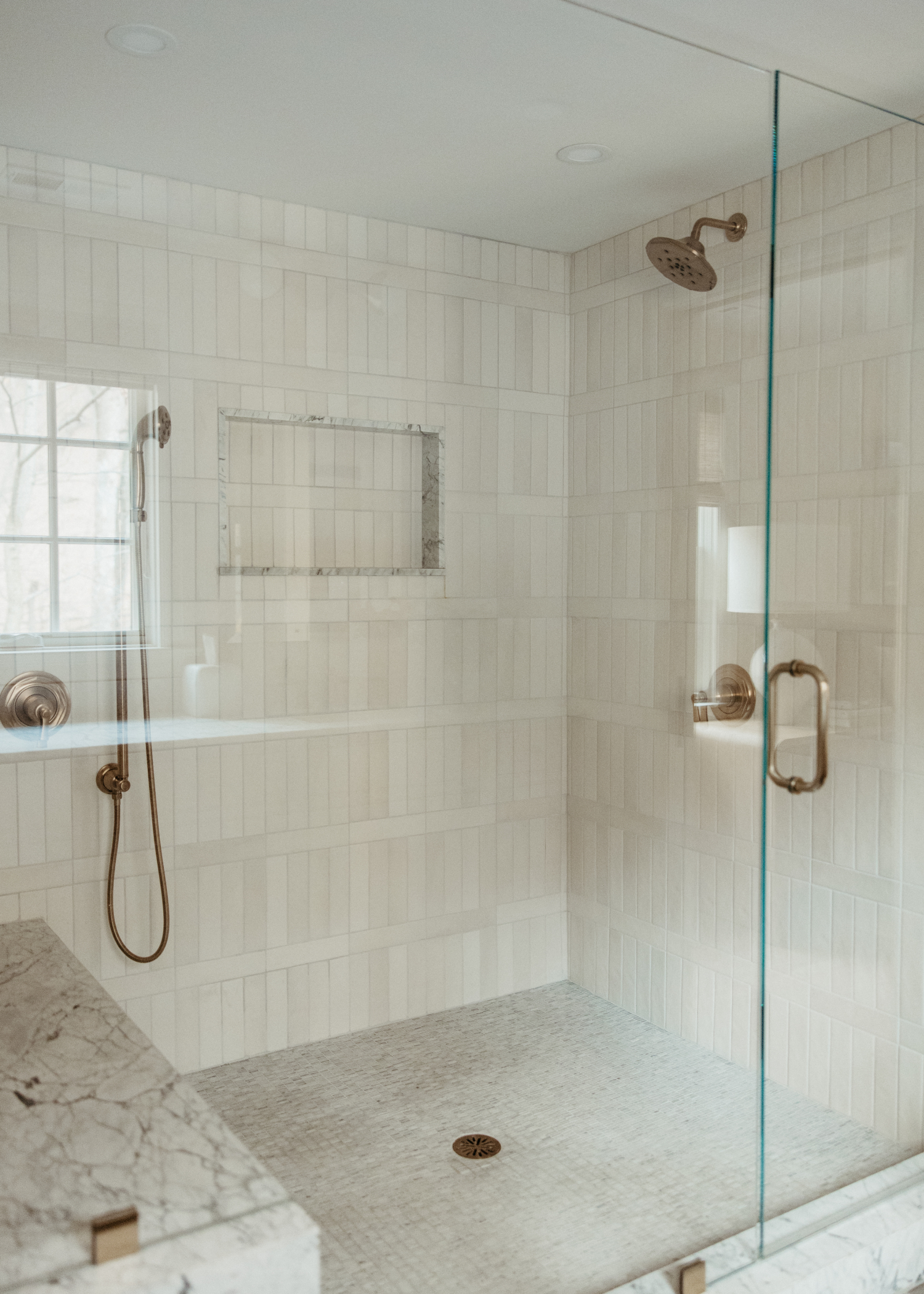
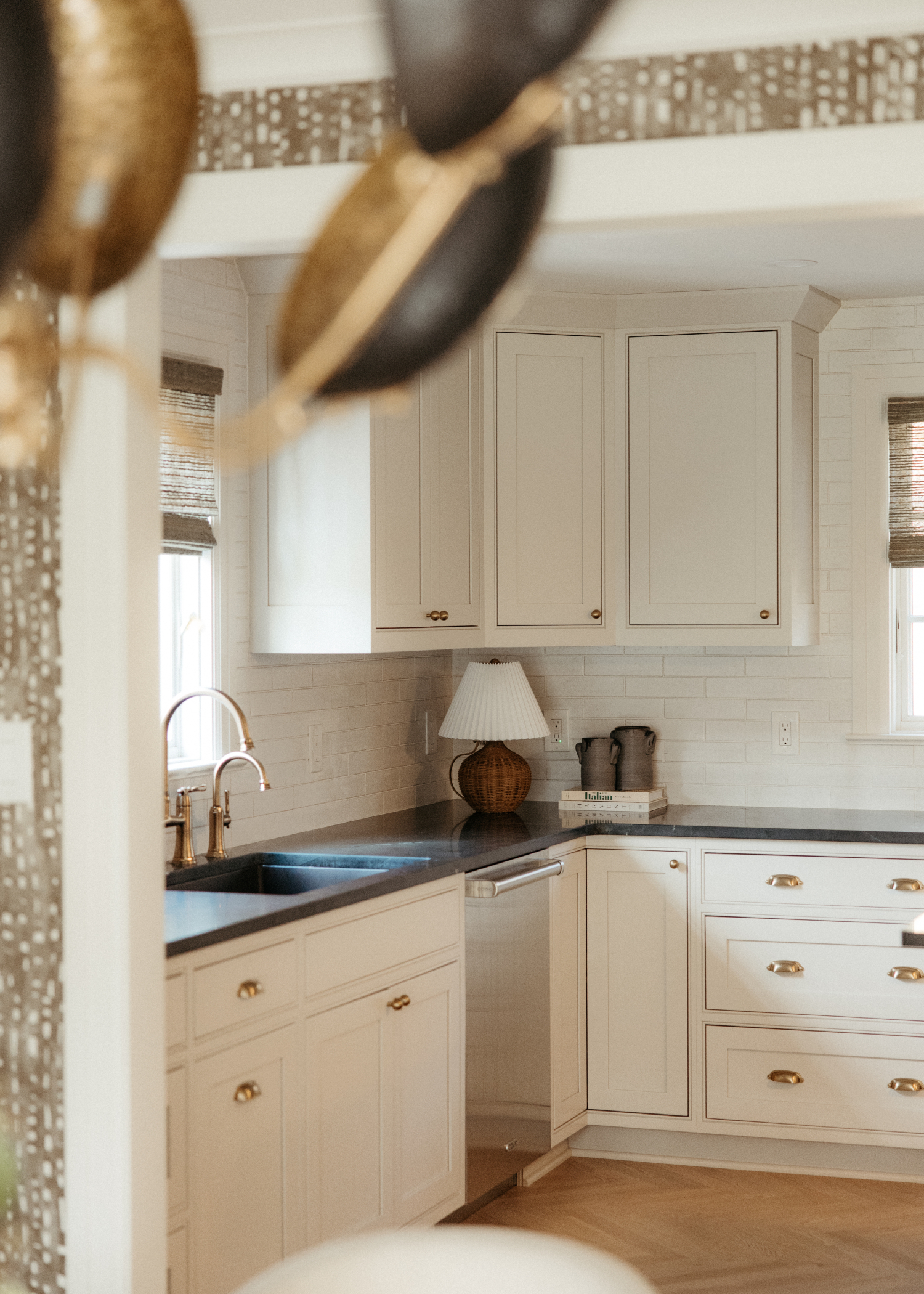
Your kitchens and bathrooms have the highest cost per square foot of any space in the home. In the kitchen, the cabinet type, countertop material, appliances, and plumbing fixtures all have significant budget implications. These items can swing a budget by tens of thousands alone. Bathrooms require a vanity, tile floor, and shower selections. How detailed you get matters as well. For example, you may want tiled shower walls up to the ceiling, a steam shower, or a custom electrical setup for vanity lighting.
Flooring is another costly category. Choosing between hardwood, tile, laminate, or carpet can drastically affect the budget when applied over thousands of square feet. The quality of the wood or the size of the individual tile pieces factors into the additional labor required. The intended layout can also drastically affect pricing. Specialty patterns like herringbone or basketweave affect the difficulty of installation labor and the extra amount of material you need for waste.
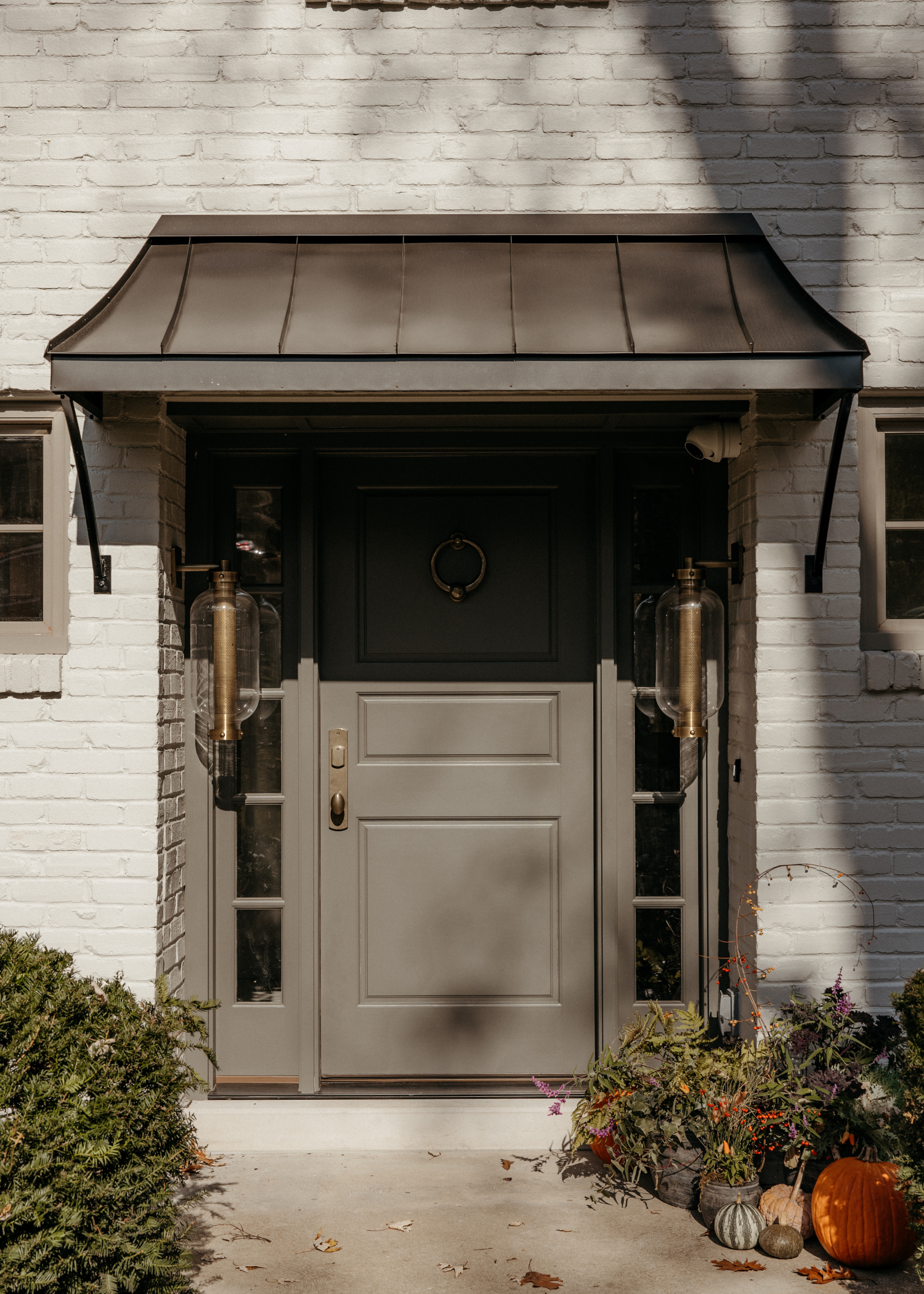
You need to factor in the exterior materials as well. Siding, roofing, and exterior trim selections can affect upfront costs and lead to added maintenance costs down the road. Having an experienced architect and custom home builder at your disposal helps make the right choices without offsetting the rest of the budget. Your design team can prioritize high-impact materials, such as masonry or stonework, and incorporate them selectively within the overall project budget.
What to Finalize Early and Why it Matters
One of the most common reasons custom builds go over budget is mid-construction changes. When a homeowner changes a floor plan after framing has started, or swaps a plumbing layout after rough-in is complete, the budget changes due to the cost of new materials and the labor to redo the work.
Understanding how to stay on budget building a home starts with making decisions before they’re needed on the job site.
The floor plan drives everything downstream. Changes after the design is finalized are expensive. It is critical that you finalize your floor plan completely before breaking ground and understand that changes will lead to cost overruns and delayed project completion.
Your structural and architectural details are next. Things like ceiling heights, structural beam locations, and your roofline must be finalized prior to framing. While not as appealing as decorative selections, these elements are built into the home’s bones.
Mechanical systems are another important component of the budget. You need to determine HVAC zoning, electrical requirements, and all plumbing locations before the walls are closed. Adding or moving systems leads to expensive rework.
Windows and doors are often ordered months before installation. Selecting these early allows your builder to frame openings to exact dimensions and avoid adjustments later. Flooring, tile, and cabinetry are also often ordered well before installation. Finalizing these early keeps subcontractors on track by ensuring that materials are on site when they’re needed.
Working closely with your builder and designer from the beginning of the project is the most effective way to keep the budget predictable from start to finish.
Partnering With the Right Custom Home Builders Makes the Difference
Custom home builders who bring clients into the budgeting process early are better positioned to deliver accurate estimates and fewer surprises. A proactive builder will walk you through the design decisions that carry the most financial risk, offer alternatives when a selection is over budget, and flag potential cost conflicts before they become problems on the job site.
At Black Boot Builders, we work with our clients from the outset of the design phase. We provide transparent line-item breakdowns, help carve out allowances for selections, and walk you through the design decisions that impact the budget and timeline.
The relationship between builder and homeowner during the design phase sets the tone for the entire project, which is why you should work with an experienced builder who can guide you through the process while keeping the budget in check. Contact us today to start planning your custom home.
Frequently Asked Questions
What is the biggest factor that affects the cost to build a house?
The single biggest driver of the cost to build a house is design complexity. Homes with complex floor plans require more structural engineering, framing labor, and materials than simpler layouts. Location, material selections, and finishes are also major contributors, but the foundational design decisions have a cascading effect on every budget line that follows.
When should homeowners finalize their selections when building a custom home?
Homeowners should finalize their floor plan and structural details before construction begins, and all primary selections, such as cabinets, flooring, tile, windows, and doors, should be locked in beforehand. Working ahead of the build schedule, rather than keeping pace with it, is one of the most effective strategies for avoiding delays and cost overruns.
What design decisions are hardest to change once construction starts?
The most disruptive and costly changes mid-construction involve structural elements. These are installed early and embedded in the home’s structure. Changes to finish selections, such as flooring or countertops, are less disruptive, though they can still cause delays if materials have already been ordered.
How can I keep my custom home budget on track?
The most effective way to stay on budget is to finalize all major design decisions before construction begins and avoid change orders once the build is underway. Work with a builder who provides detailed, line-item pricing, build a 10–15% contingency fund into your budget, and make selections on schedule so trades aren’t delayed while waiting for decisions. The best projects are built on clear communication and proactive planning.