Knowing when to do a home renovation or build a custom home depends on factors such as cost, location, structure, flexibility, and timeline. There are pros and cons to both approaches, so it ultimately rests with the homeowner’s circumstances and lifestyle goals.
Do you invest in what you have? Or, do you start fresh? There are many possibilities and potential factors that could push you in one direction. The choice between renovating and building new deserves a clear assessment of the facts, so you can make the best decision for your home.
What’s the Difference Between a Renovation and Building New?
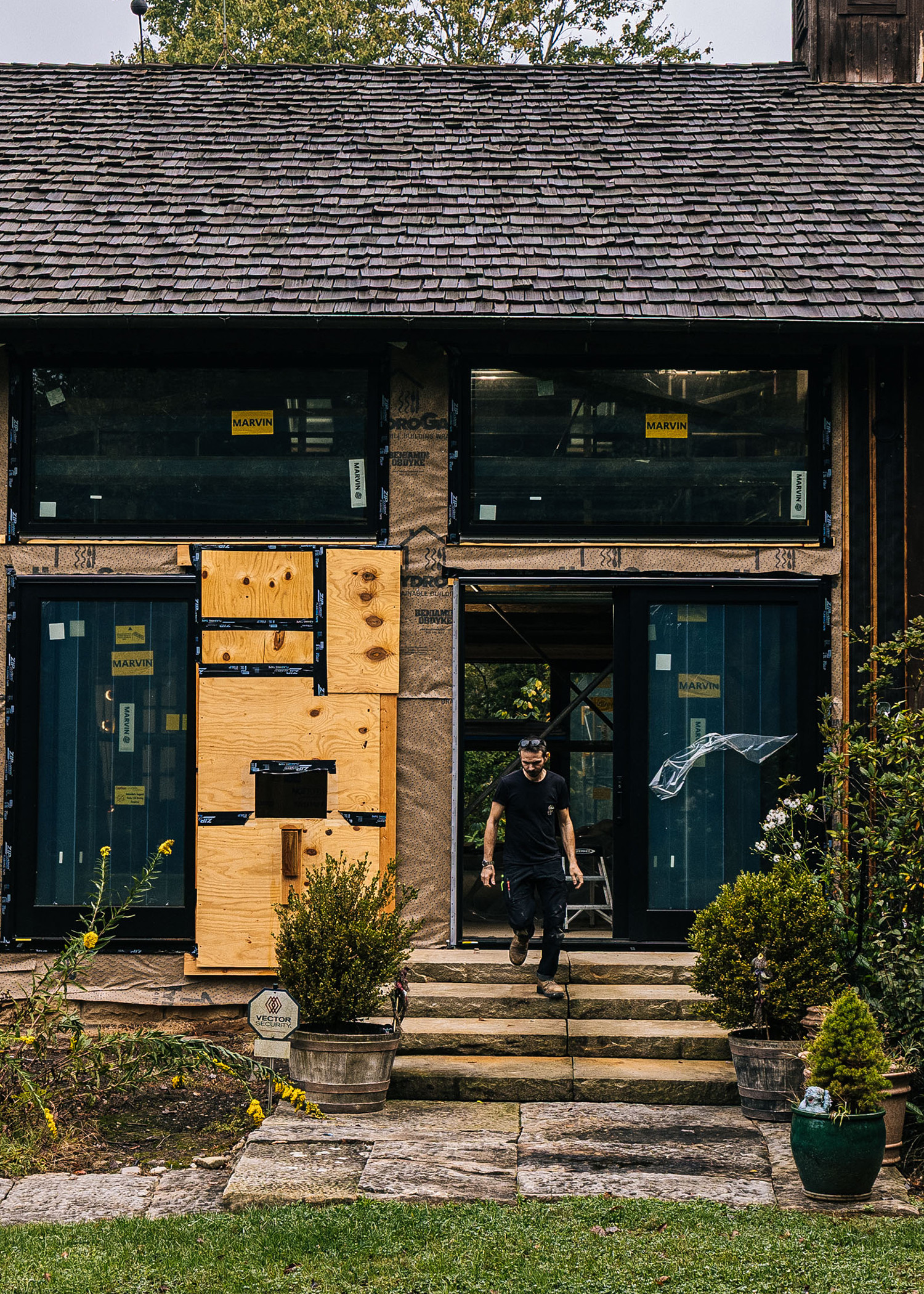
A home renovation works within the existing structure of your home, i.e., improving, reconfiguring, or expanding what’s already there. A new home construction project starts from the ground up, giving you complete control over layout, design, materials, and systems from the very first decision. A custom home addition or home renovation falls somewhere in between. Renovating can preserve what you love about your current home while adding the space your life requires.
When Renovating Your Home is the Smarter Move
The most important factors when choosing a home renovation are your home’s foundation and structural integrity, your location, the project scope, and your budget. Having specific goals helps. Projects like a new floor plan, a larger living area, or a kitchen upgrade are generally better for renovation.
A large-scale renovation can do more than just refresh a home’s appearance. In the right hands, it can fundamentally transform how a home lives and feels. It can open up dated layouts, add architectural character, and bring every system and surface up to a standard that reflects how you actually want to live.
Location often plays a major part when deciding between renovation and a new build. Finding available lots for new construction can be challenging in sought-after neighborhoods. This is where renovating within the home’s existing footprint is a better choice, especially if you are happy with the lot, neighbors, school district, and other neighborhood qualities.
Another thing to consider when making your decision is the home’s history. At Black Boot Builders, we’ve worked on historic brick homes in cities and log cabins in more rural areas that are hundreds of years old. When trying to preserve a home’s historical details, renovations are the better option. It’s hard to replicate these details on new construction projects, which is why you often see more modern layouts and accents.
You can DIY a home renovation, but working with a custom home builder grants you access to experienced architects and interior designers who can bring your vision to life. If the bones are good and the location is right, renovating your home can be a more efficient path. However, it can become expensive quickly depending on the cost of restoring the home’s existing materials.
Signs It’s Time to Build From the Ground Up
Some homes have reached a point where renovation becomes too complicated or costly. Structural problems, widespread outdated designs, and layouts where any meaningful change requires working around countless obstacles are key indicators that renovating may be the wrong direction.
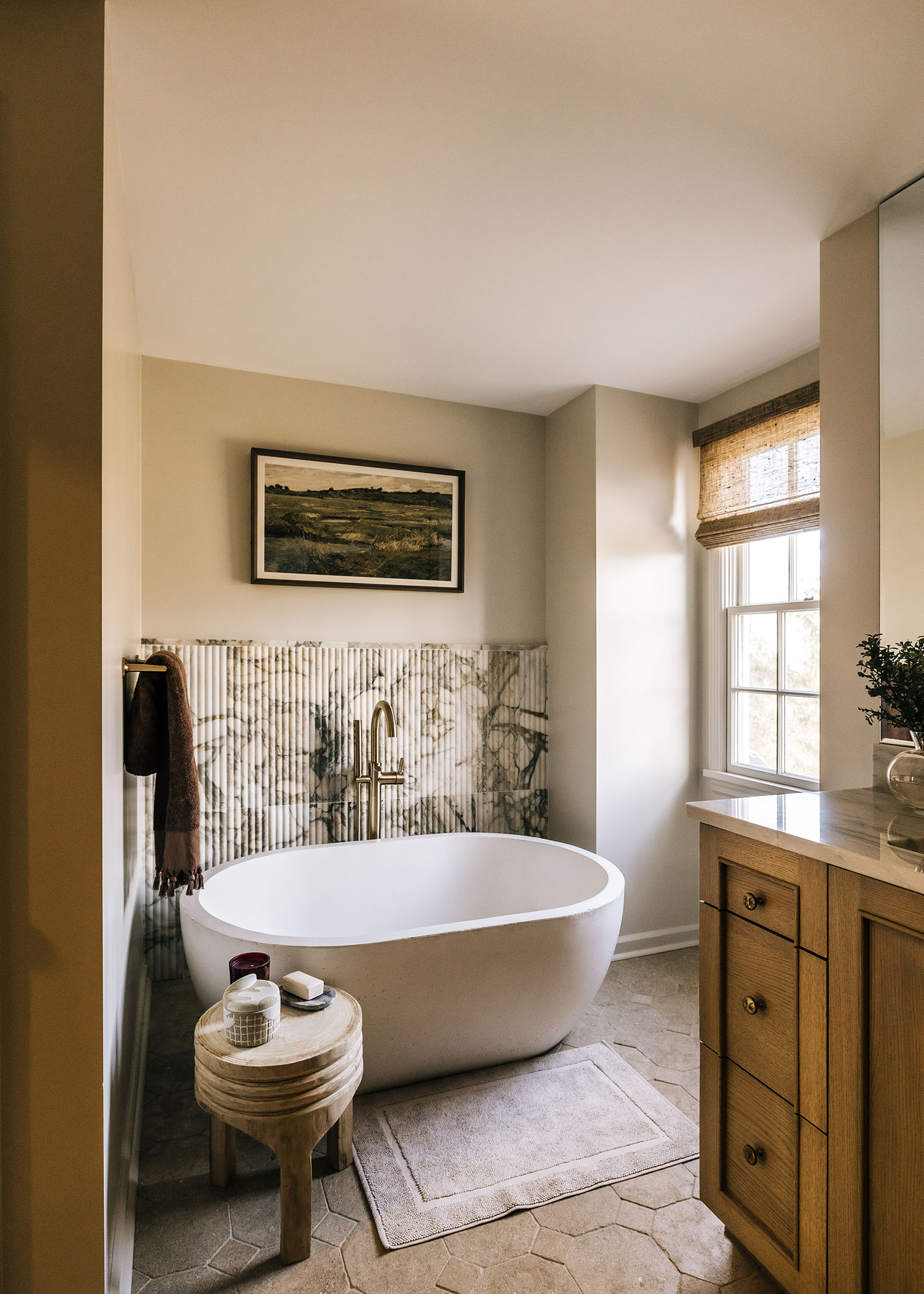
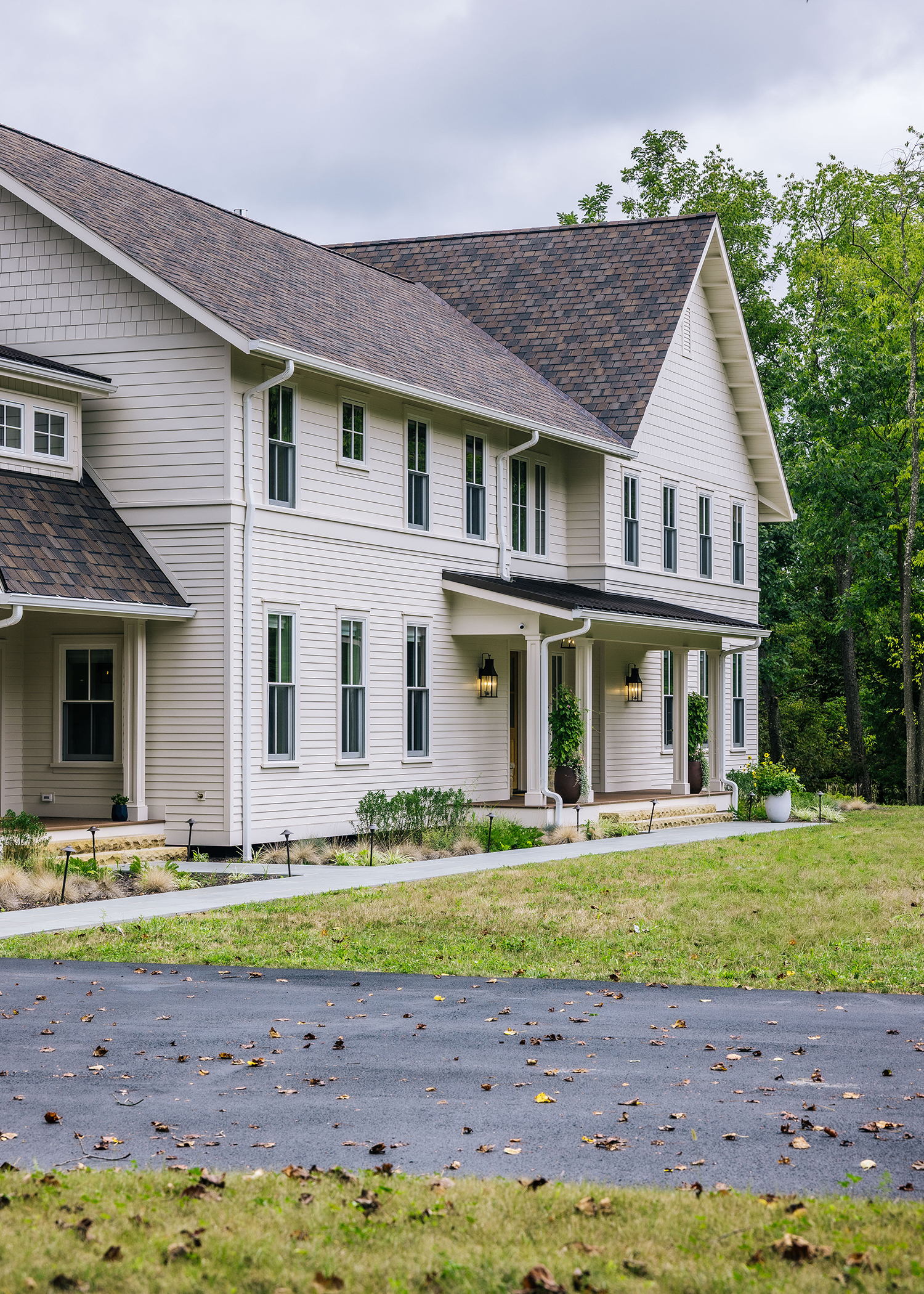
Building new makes sense when your design vision is specific and leans toward a contemporary or transitional look. For example, when you want a home that integrates a modern style, sustainable materials, smart home features, or architectural updates that can’t be completed with the existing structure, new construction may be a better approach. Ground-up construction gives you full control over every room, every detail, and every system.
One important thing to consider is how long you plan on staying in the home. Those who opt for renovations often do so with resale value in mind, meaning they don’t see themselves staying long term. People who opt for new construction projects generally plan to stay for a while. These projects are completely custom, requiring intentional decisions at every phase and prioritization of individual values and lifestyle.
Building new also makes sense when the cost of restoring an older home approaches or exceeds the cost to build new. At that point, you lose the creative freedom that a new build offers while still paying the same price.
There is a third option of tearing down the existing home and building new on the same lot. This can be the most expensive option with the additional teardown, but potentially the right fit for those who know exactly what they want and aren’t attached to the existing house.
Weighing the Cost of a Renovation vs. New Construction
Comparing costs between renovation and new construction hardly comes easy. A targeted renovation of a structurally sound home can be more cost-efficient. However, a renovation that uncovers hidden damage or demands a near-total rebuild within the existing structure can quickly become more expensive than a new build, especially in historic homes.
Don’t think of it as a “which costs less?” scenario, but rather “which investment delivers the most value while giving me what I want?” This is where circumstances come into play and many factors can influence the decision.
Having an experienced custom home builder and home remodeler provides an honest third party that you can trust to transform your home the way you want. You can lean on the experienced architect or designer to assess the current space and recommend the best approach to achieve the best results.

You Can Also Do a Custom Home Addition
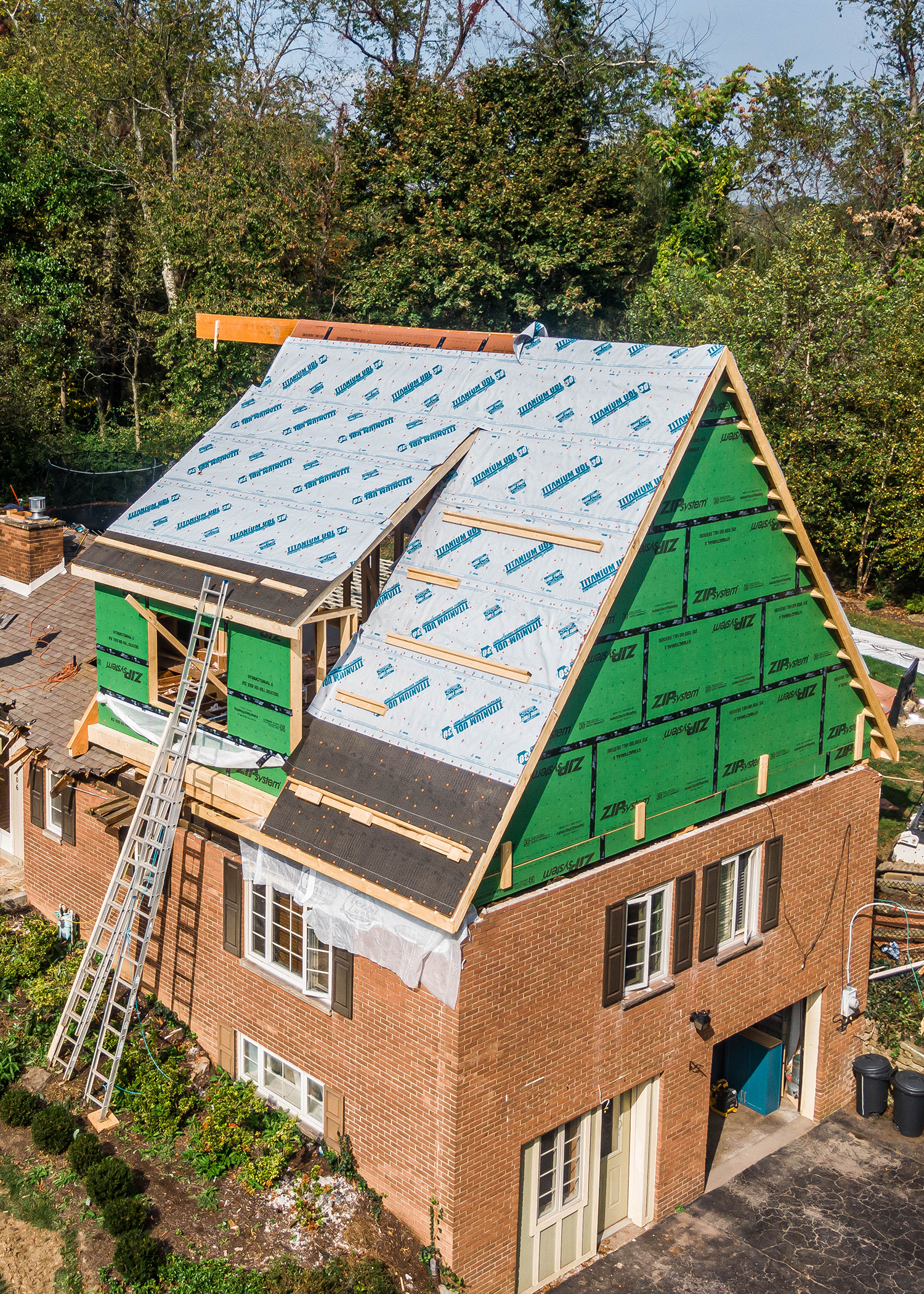
A custom home addition is perfect for homeowners who have outgrown their current space. This middle path allows you to expand your square footage, improve your home’s flow, and introduce new architectural designs. With a custom home addition, you get the creative freedom of a new space while maintaining the charm and influence of your current property.
Custom home additions work best when approached with the same design integrity as a full build since they follow a similar sequence. You need experienced architects and designers to bring out the best in the space.
At Black Boot Builders, we have worked on all kinds of renovations, new construction projects, and custom home additions. When it comes time to make decisions for your project, rely on your design professional and contractor to help evaluate the options and guide you toward the best outcome.
Frequently Asked Questions
Is it better to renovate or build a new home?
It depends on your home’s structural condition, your design goals, and your budget. Renovation is often more efficient when the structure is sound, and your vision works within the existing layout. Building new is typically the better choice when the home has significant structural issues, when your design vision can’t be achieved within existing walls, or when renovation costs approach those of new construction.
At what point is a house not worth renovating?
A home may not be worth renovating when it has major foundational or structural problems, when multiple core systems (electrical, plumbing, HVAC) need full replacement, or when the existing layout is so limiting that achieving your vision would require rebuilding most of the home from the inside out.
How much does it cost to build a new home vs. renovate?
Costs vary significantly based on scope, location, materials, and site conditions. A large-scale renovation of a well-maintained home is often more cost-efficient than building new. However, a renovation that uncovers substantial hidden issues can close that gap quickly. The most accurate comparison comes from a detailed assessment by an experienced general contractor who can evaluate your specific situation.
What does a custom home builder do differently from a standard contractor?
A custom home builder specializes in complex, vision-driven projects like ground-up construction or large-scale renovations that require a high level of design collaboration, craftsmanship, and project management. They typically work closely with architects and designers and are equipped to handle projects with architectural complexity, custom materials, and exacting standards that go beyond standard residential contracting.