
One of the most misunderstood parts of residential construction is the pre-construction process. For most homeowners, a project proposal or estimate may appear straightforward. In reality, assembling an accurate scope of work and price estimate requires significant time, coordination, and expertise.
The average person rarely sees the behind-the-scenes work that goes into preparing a proposal. A single project may involve coordination with multiple subcontractors, vendors, architects, and engineers. As a result, the complexity of the project often determines how long the pre-construction process will take. The more detailed the project, the more time and collaboration are required to develop an accurate roadmap for construction.


What Happens During Pre-Construction?
Pre-construction is the phase in which the foundation for the entire project is laid. During this stage, the builder works closely with the architect, designer, and client to understand the project goals and determine what it will take to bring the design to life.
These pre-construction steps can involve:
- Site visits with subcontractors and vendors
- Office meetings to review architectural drawings
- Phone calls and coordination with the project team
- Submitting RFIs (Requests for Information) to the architect or client
- Scheduling on-site testing (such as soil tests)
- Permitting coordination with local townships
- Reviewing drawing details with architects and interior designers to confirm that design ideas are feasible and within budget
- Creating allowances for finishes not defined in the drawing set
- Building a project schedule
Every piece of information gathered during this stage contributes to building a clear and accurate scope of work and budget. This level of detail is critical because the pre-construction documents become the reference point throughout the project. They guide the project budget, outline scope details, identify subcontractors and vendors for each trade, and clarify expectations for everyone involved. Without this clarity, it becomes difficult to resolve discrepancies in pricing or scope of work later in the project.
Our Pre-Construction Process
While every project is unique, our construction planning process typically includes several key phases:
1. Initial Review and Site Visit
The first step in our preconstruction phase is to review the architect’s preliminary drawings and visit the project site to document the site conditions. This phase generally takes one to two weeks. During this time, we evaluate the design, tour the property, and begin identifying factors that may affect the project’s scope, complexity, or cost.


2. Preliminary Estimate
Next, our estimating team prepares a preliminary estimate, which typically takes 7–10 days to complete. This preconstruction cost analysis is usually one to three pages long, depending on the size of the project, and provides a high-level understanding of what the project might cost based on the limited information available at that stage.
It’s important to understand that a preliminary estimate is not intended to be completely accurate. Its purpose is to provide the project team with a general pricing framework early in the design process and to give the client a quick gut check on the expected budget. We like to think of the preliminary estimate as being 80% accurate.
3. Design Revisions
Once the preliminary estimate is presented, the client and architect often review the information and make adjustments to the design or scope. It’s not uncommon for the drawings or scope of work to be revised if the preliminary estimate is higher than a client’s available budget. This revision phase can take a few weeks or several months, depending on the significance of the changes. The goal of this stage is to bring the design and the budget closer together before moving forward.
4. Formal Proposal Phase
After the revisions are complete, the architect typically submits updated drawings for final pricing, followed by permit-ready drawings and the official construction set. At this stage, we enter into a formal pre-construction agreement with the client to prepare a detailed proposal for their project.
Unlike the preliminary estimate, the formal proposal is significantly more comprehensive and requires:
- Multiple site visits with subcontractors and vendors
- Weeks of time assembling detailed scopes of work
- Extensive coordination with the project team
- Careful pricing for each trade and material involved in the project
- Precise documentation of exclusions
Because of the time and coordination required to assemble a formal proposal, we typically require a deposit to enter the formal proposal phase. This deposit helps cover a portion of the time invested in preparing the proposal and is applied toward the project cost if the client chooses to move forward with us as the builder.


5. Team Creation
The preconstruction phase also allows our team the time to identify the key players on the build team. We will select an internal project manager best suited to the job, based on prior experience and current scheduling constraints. There is also usually a lead carpenter assigned to the project. This phase gives the project management team time to become familiar with the project and to start building a relationship with the client ahead of the official project start date.
Why We Don’t Competitively Bid
Some builders rely on a competitive bidding process where multiple contractors submit proposals for the same project. We’ve found that this approach often shifts the focus to price alone rather than to the quality of the builder’s work, the relationship between the design and build teams, and the long-term success of the project. In many cases, competitive bidding can actually create confusion and lead to incomplete estimates, unrealistic pricing, or misaligned expectations. While we may submit preliminary pricing against other contractors, we only enter the formal proposal phase with a financial commitment from the client as their intended builder.
We believe the pre-construction process should focus on collaboration, transparency, and building the right plan for the project with the right people.

Building the Roadmap for Your Project
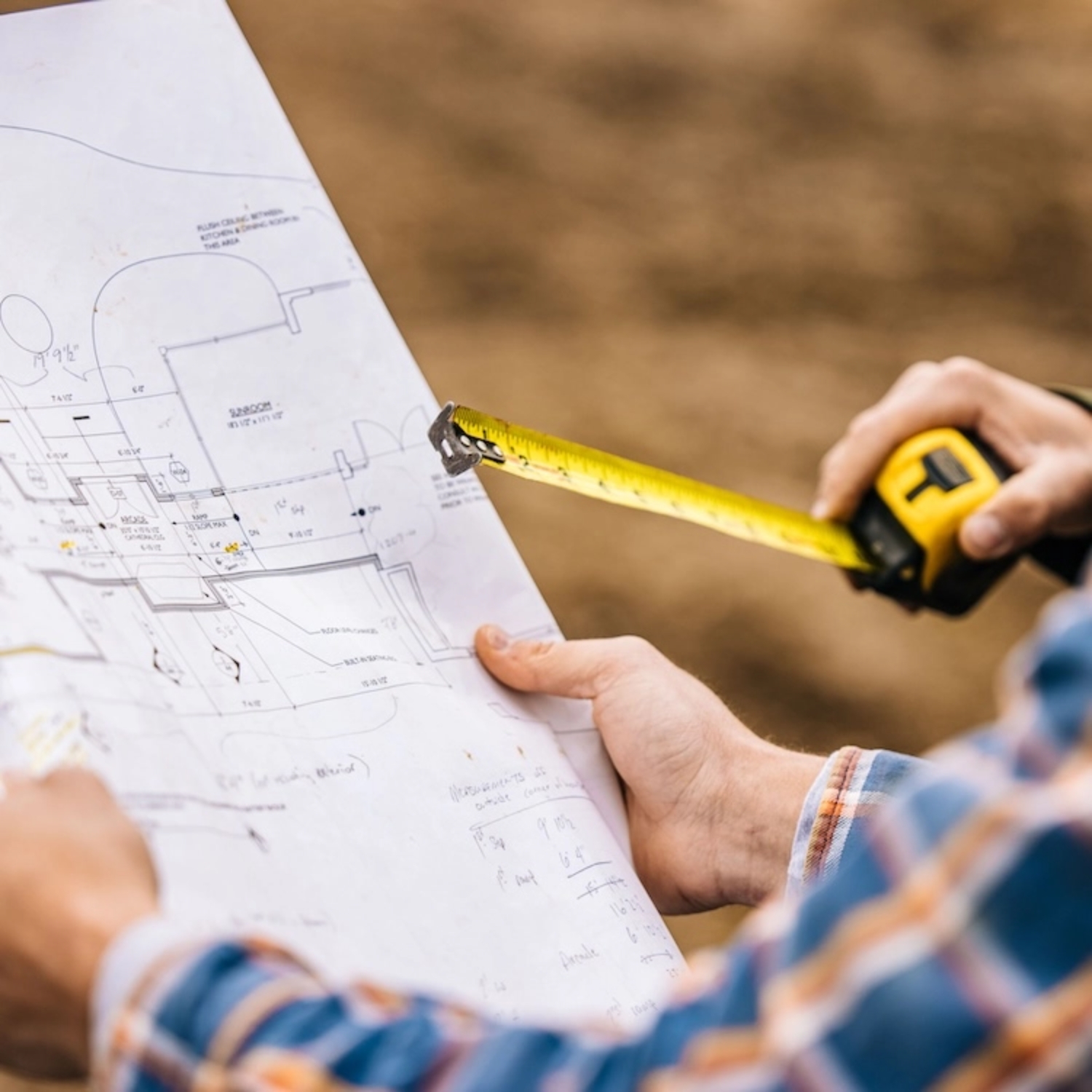
The pre-construction process is sometimes difficult to appreciate from the outside because much of the work happens behind the scenes. To some clients, the pre-construction process seems slow because there isn’t any tangible work happening. However, this phase is one of the most vital parts of a successful construction project.
Together with the architect’s drawings, the builder is essentially creating the roadmap for the entire build. If that roadmap is incomplete or unclear, the project is far more likely to encounter delays, cost overruns, or misunderstandings on scope and design intent.
When the preconstruction process is done thoroughly, it allows everyone involved—builder, architect, and client—to move into construction with confidence and clarity. And that’s what ultimately leads to a successful project.