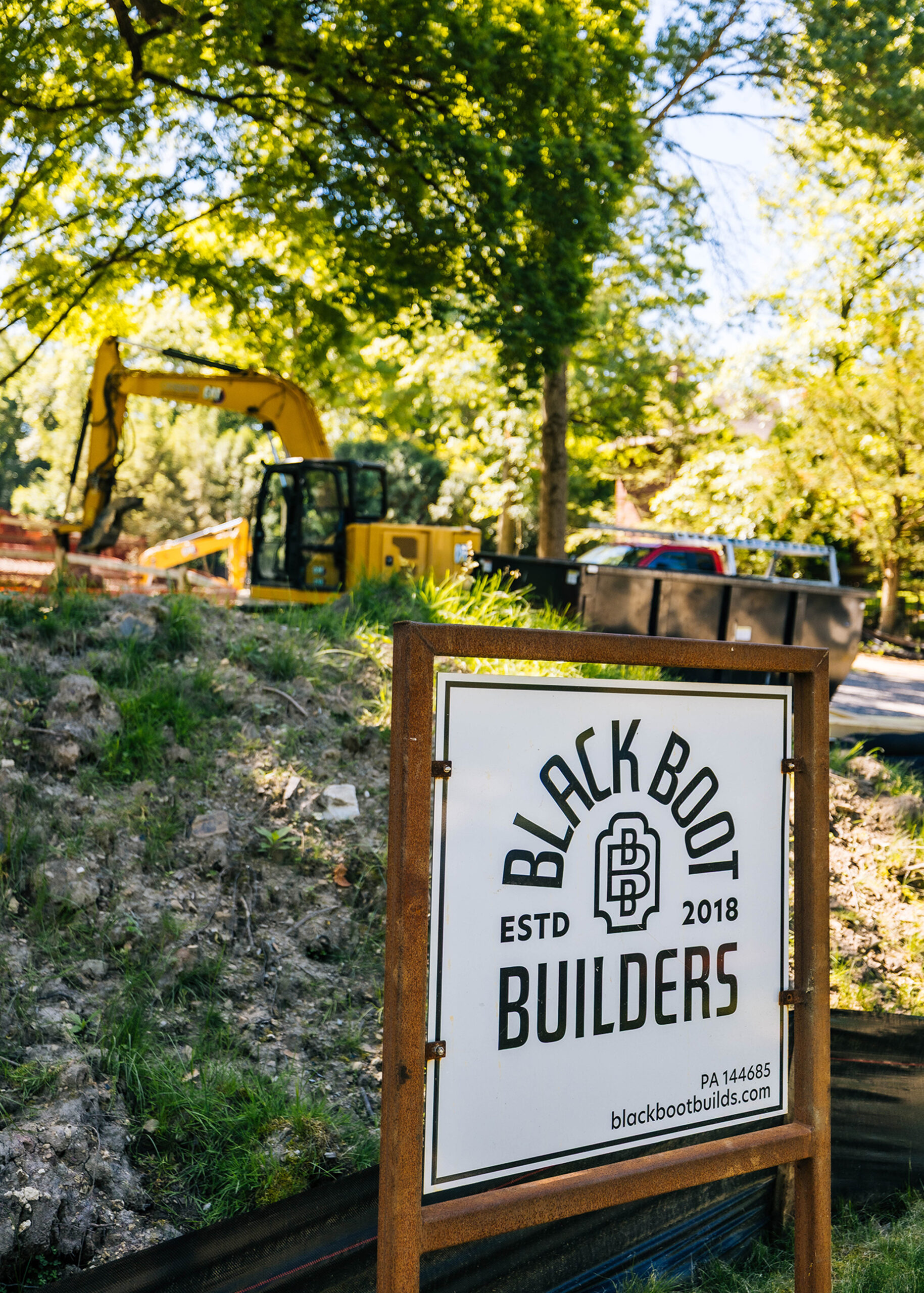
When people think about construction, they usually picture framing, demolition, excavation, or finishes going into place. But some of the most important work on a project happens well before construction officially begins.
Site preparation is the phase where planning turns into action. It is where the project team confirms the scope, reviews site conditions, coordinates logistics, protects the property, and makes sure the site is ready for safe and efficient construction. A well-prepared site preparation process can help prevent delays, reduce surprises, and create a smoother experience for everyone involved.
Site Preparation Starts During Preconstruction
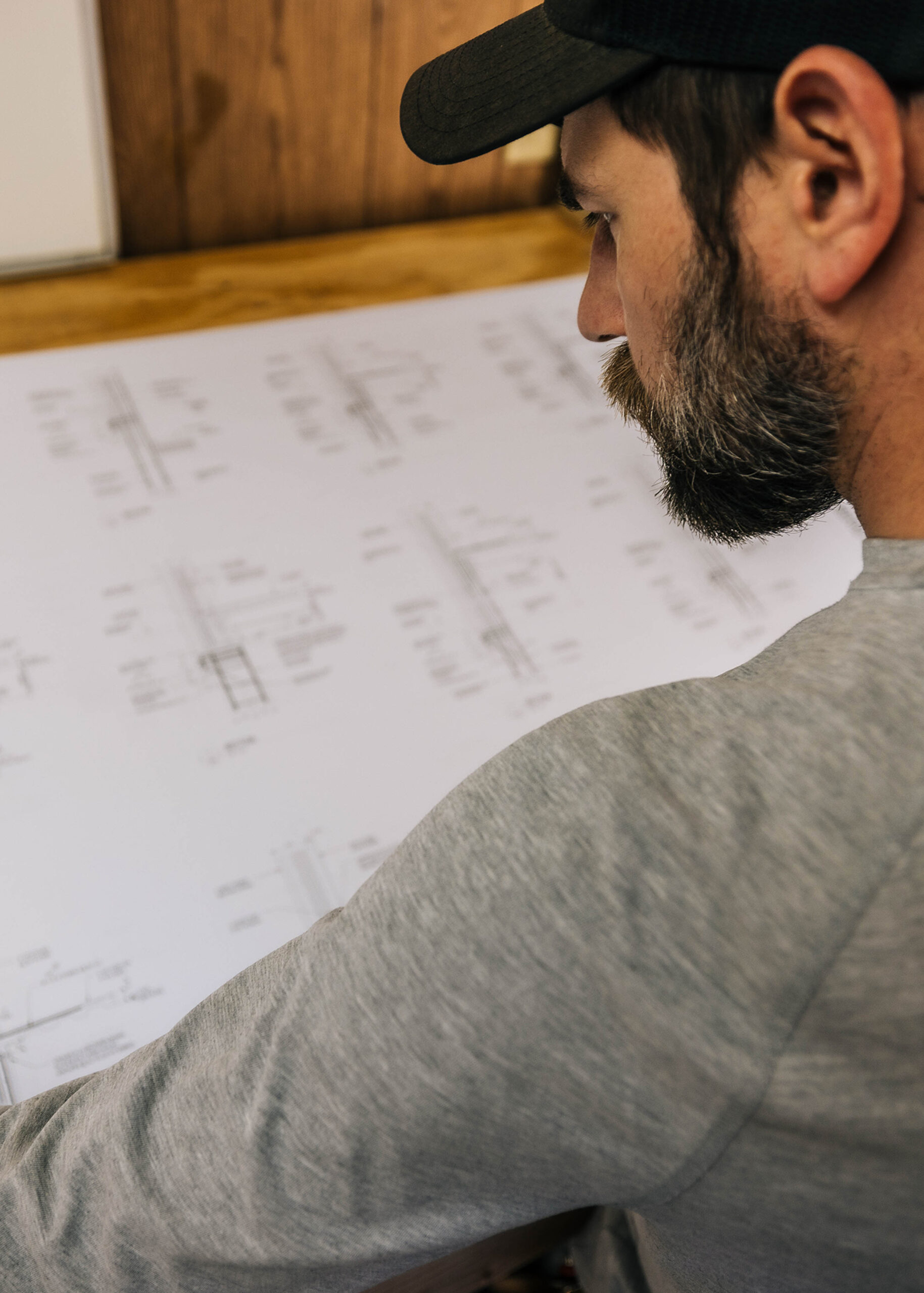
Before the first dumpster arrives, a significant amount of coordination has already taken place. During preconstruction, we review architectural drawings internally, walk the site, meet with relevant subcontractors and vendors, and work through all of the details that help shape the final proposal.
This often includes subcontractor and vendor site visits before final bids are submitted. While many early scope reviews happen in our office, visiting the actual site helps the team understand access, staging, existing conditions, and any logistical challenges that may affect pricing or scheduling.
We also meet regularly with the architect, designer, and client during this phase. These conversations help clarify expectations, identify potential issues early, and make sure the proposal reflects the true scope of work.
Pricing and Finalizing the Scope
During preconstruction, the proposal may go through multiple iterations. We like to say that our proposal gets more detailed and accurate in line with the drawing set. As drawings develop, scopes are clarified, selections are made, and subcontractor input is received, the project becomes more defined.
This is the point in the project when our internal team and dedicated project manager ensure they understand the full project scope and unique project details. It’s during this phase that we submit RFIs
(requests for information) to the architect to clarify design questions, address discrepancies or missing information, or request approval to use a different material or method than what the drawings call for.
Once the scope and proposal are finalized, subcontractor and vendor contracts can be formally awarded. At that point, the project moves from planning into scheduling and mobilization.

Building the Schedule
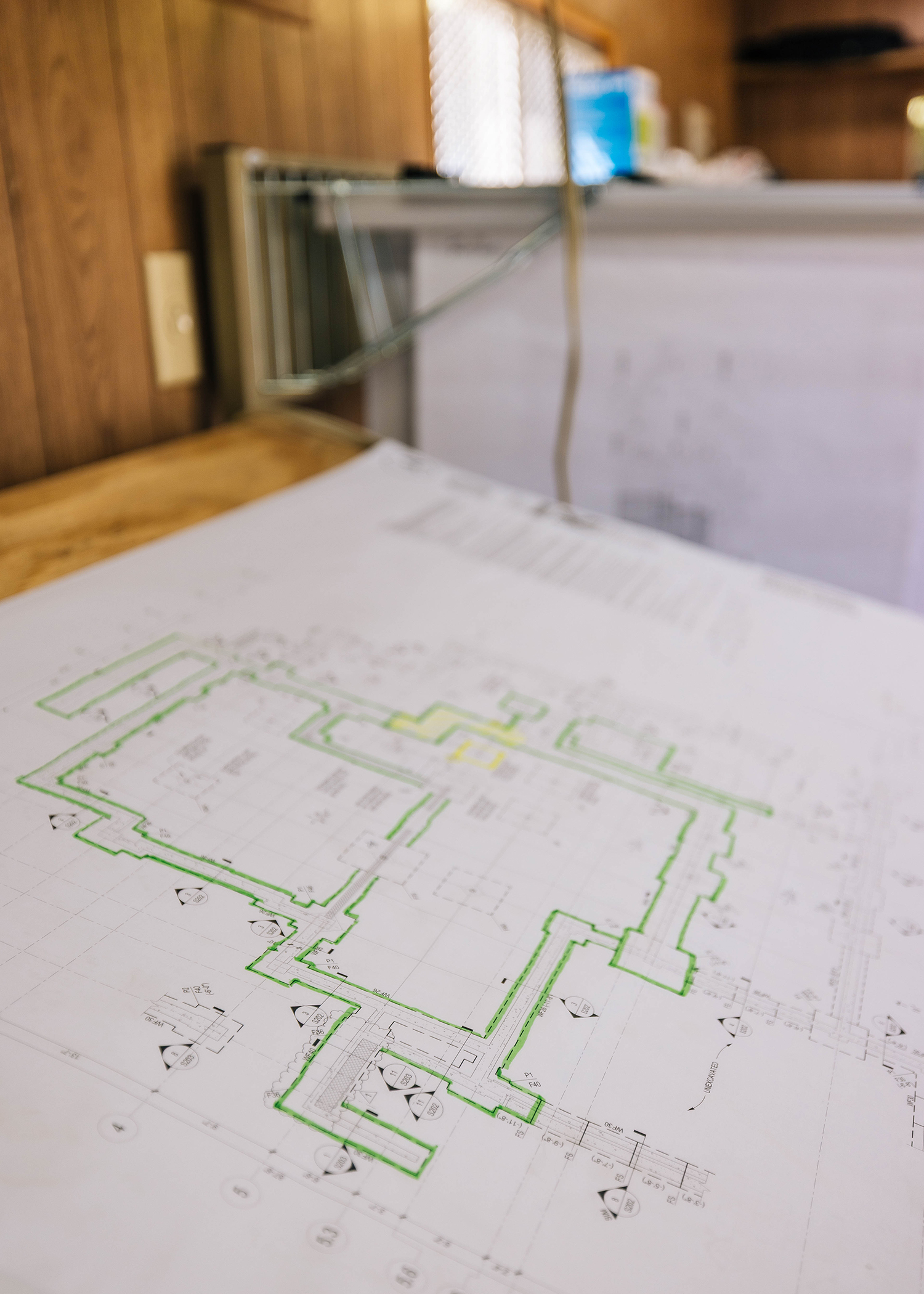
Before site preparation for construction begins, we create the construction project schedule in our project management software and begin coordinating start dates with subcontractors. This schedule becomes the roadmap for the project and helps everyone understand the expected sequence of work. The dedicated project manager is in charge of creating the schedule and publishing it for the subcontractors, clients, and architects’ review. Although the schedule is continually updated throughout the project, the anticipated duration is built into our contract and sets the foundation for a goal completion date.
A clear schedule is especially important in the early stages because demolition, utility shutoffs, site protection, permitting, surveying, and inspections often need to happen in a specific order, and all schedule items depend on one another.
Communication Before Work Begins
If the project may affect neighboring properties, parking, access, noise, or deliveries, we may also communicate with neighbors before work begins. Establishing an open line of communication early can go a long way toward avoiding confusion or frustration once construction activity starts.
Before demolition or construction begins, we also document the existing conditions with photos and video. This is an important record for both the client and the project team, especially on renovations and additions where existing finishes, landscaping, utilities, or adjacent structures may be affected. Recording existing conditions is also critical for renovation or restoration projects where we are trying to match an original detail.
Setting Up the Site
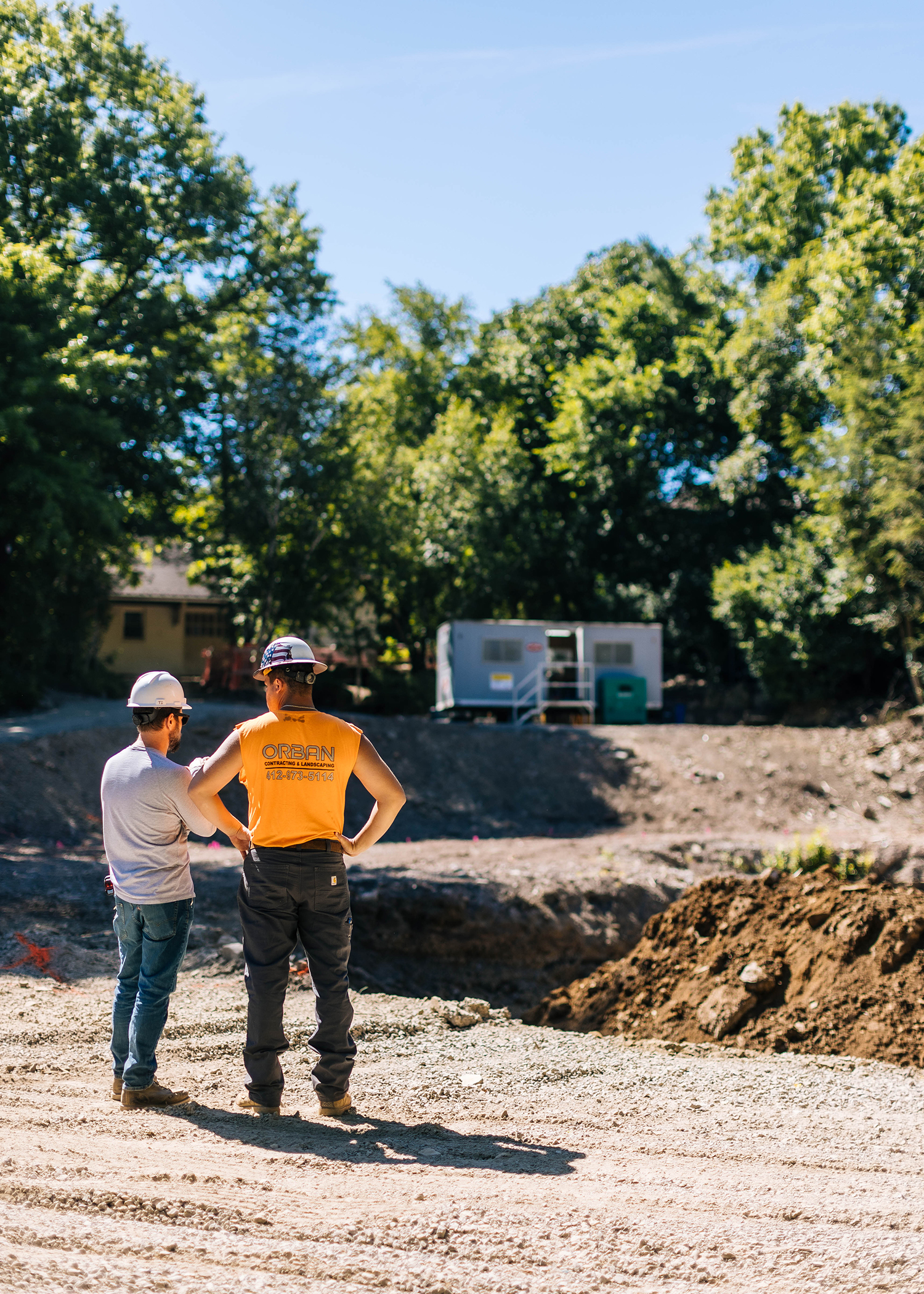
Once the project is ready to mobilize, general conditions are put in place for building site preparation. Depending on the project, this may include delivery of a dumpster, portable toilet, storage container, site office, fencing, signage, site security cameras, temporary internet access, and other facilities.
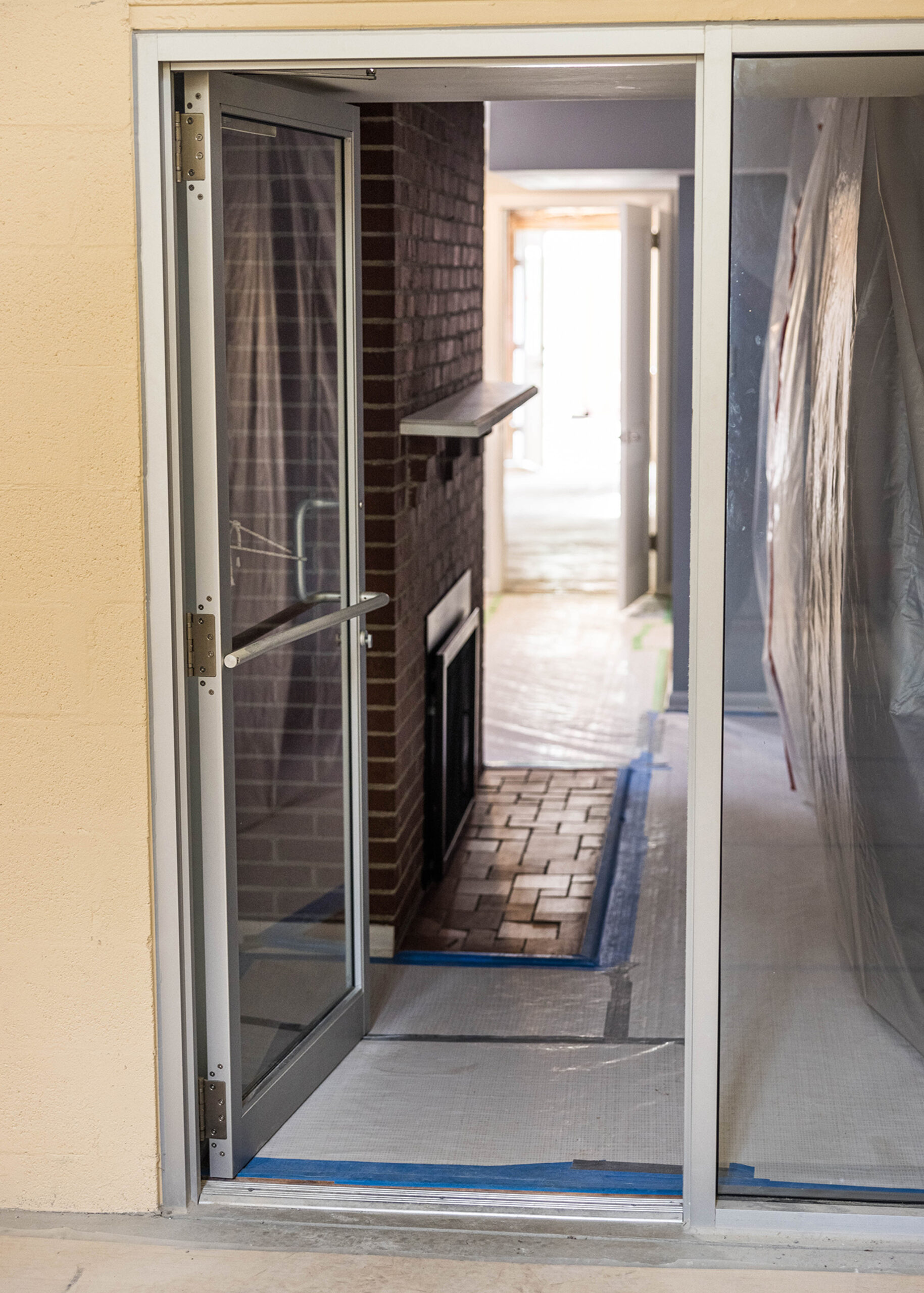
Site protection is also a key part of this phase. On a renovation or addition, that may include protecting interior floors, walls, stairs, cabinetry, or other surfaces that are not part of the work area. It may also include temporary dust walls, air scrubbers, floor protection, or other measures to help protect the occupied or finished portions of the home.
On exterior projects, site protection may include temporary fencing, erosion control, protected access paths, designated staging areas, and temporary parking pads. On many of our projects, this also includes protecting mature trees and their roots from damage caused by heavy construction vehicles.
Permits, Utilities, and Safety
Before work begins, the building permit must be secured and posted on-site. Any required utility coordination must also be completed.
For projects involving demolition, excavation, or mechanical changes, utilities and existing systems need to be handled carefully. Light fixtures and plumbing fixtures may need to be removed, mechanical systems properly terminated, and affected utilities made safe before demolition begins.
If digging is involved, 811 must be called to have underground utilities marked before excavation. This is a critical safety step and helps prevent damage to gas, electric, water, sewer, communication, or other utility lines.
Depending on the project, construction site preparation may also include soil testing. This can be especially important for new homes, additions, or projects involving excavation. Soil information can help inform structural design, foundation planning, and excavation pricing.
Demolition, Surveying, and the Start of Construction
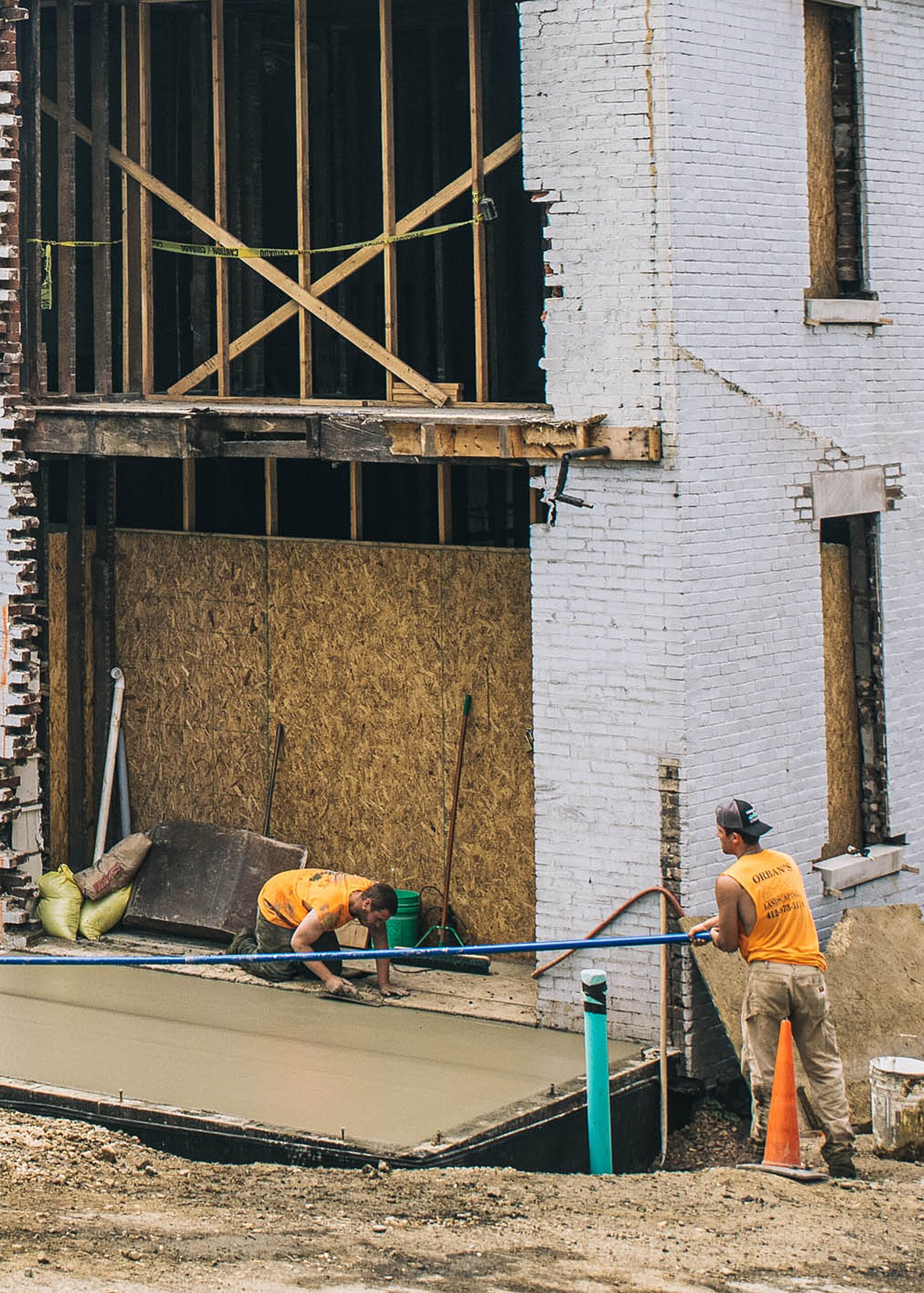
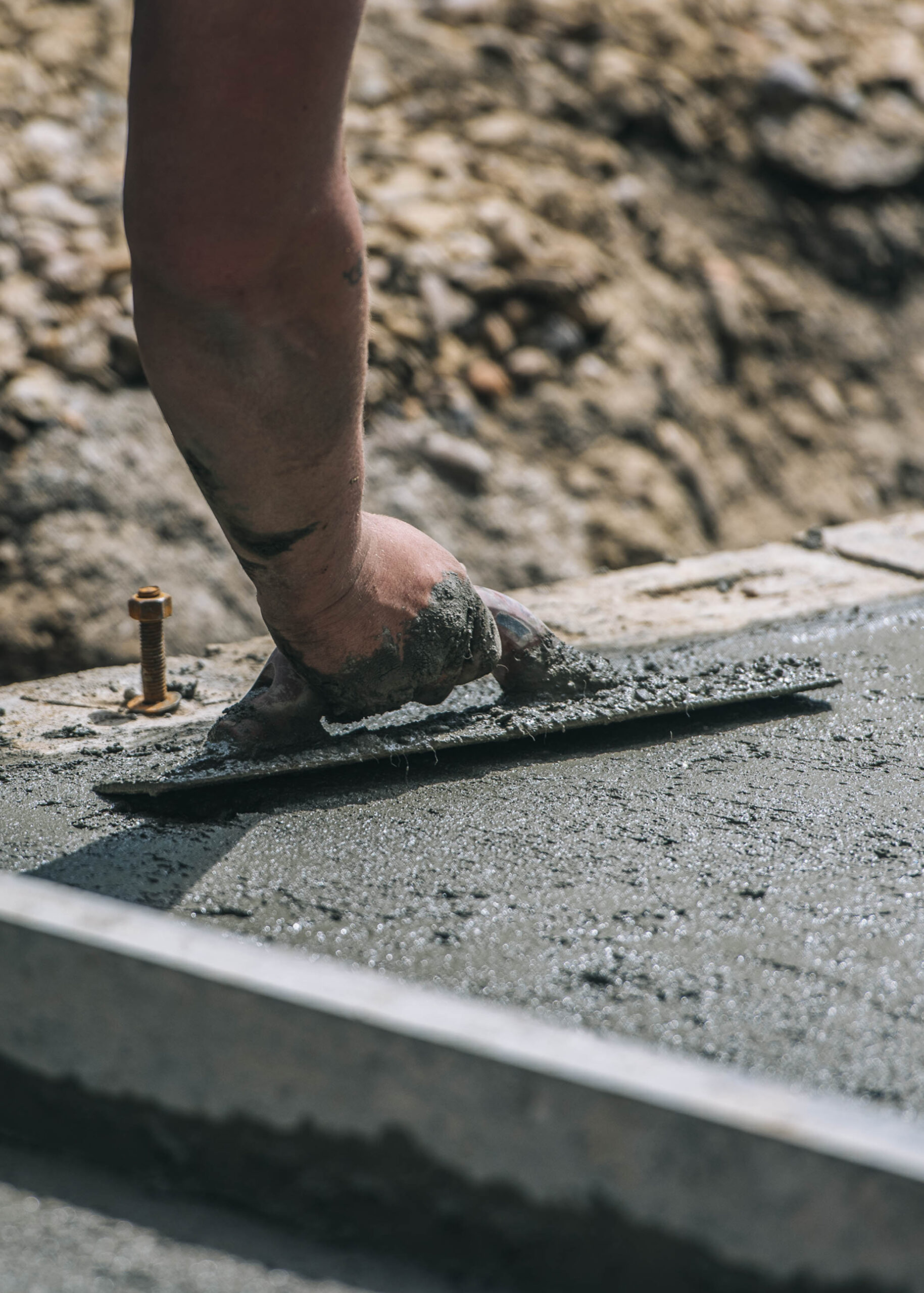
Once the site is protected, permits are posted, utilities are addressed, the proposal has been approved, subcontractor bids have been awarded, and the schedule has been created, demolition can begin.
For new construction, additions, or projects with exterior layout requirements, surveying may also take place to confirm the build site, setbacks, elevations, and layout before construction proceeds.
Only after these steps are complete does the visible construction work truly begin.
Why Site Preparation Matters
Good site prep is not just administrative work. It is one of the most important parts of a successful project.
It helps the project team:
- Understand the existing conditions
- Confirm scope before work begins
- Protect the property
- Coordinate subcontractors and vendors
- Identify logistical challenges early
- Maintain a safer jobsite
- Reduce avoidable delays
- Create a better experience for the client
The better the site is prepared, the smoother the construction process tends to be.
At Black Boot Builders, we believe the work that happens before construction starts is just as important as the work that happens after. A thoughtful, organized start helps set the tone for the entire project.